Sustainable Water Infrastructure: Modern Solutions for Cities and Agriculture
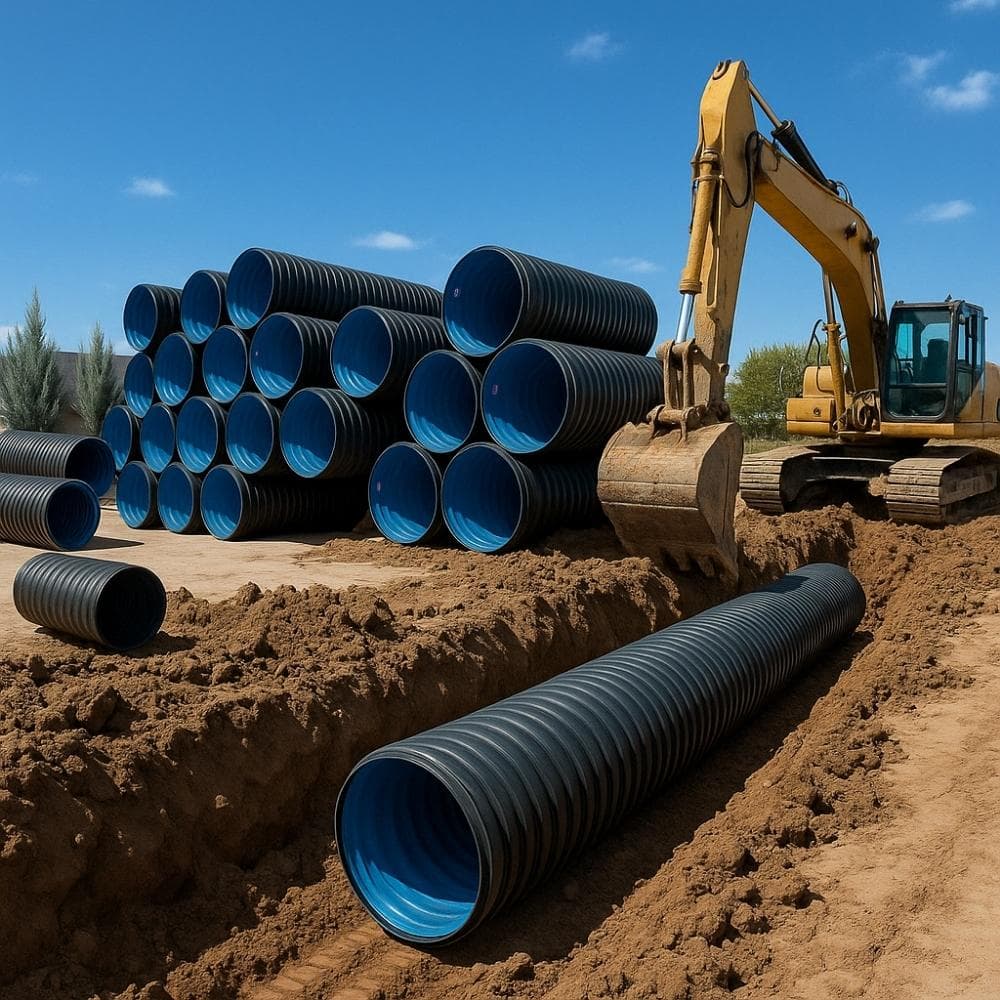
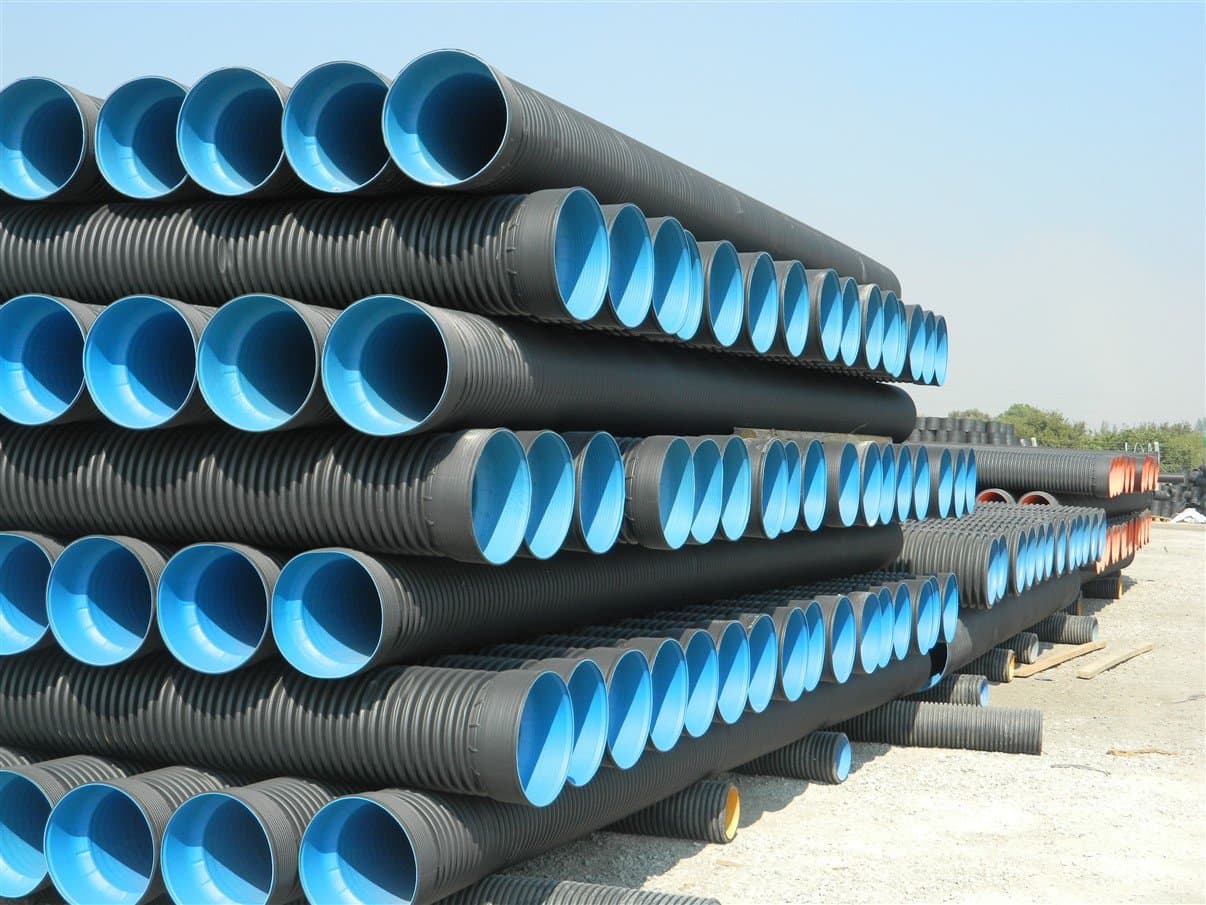
Sustainable Water Infrastructure: Modern Solutions for the Cities and Agricultural Lands of the Future Innovative and sustainable approaches in water management for a changing climate. Water is the foundation of life, and a reliable water infrastructure is essential for the healthy functioning of cities and agricultural lands. Climate change, rapid population growth, and inadequate infrastructure have increased the demand for more sustainable water management. This is where sustainable water infrastructure projects come into play. Efficient Water Management with Modern Pipe Systems HDPE and corrugated pipes provide long-lasting and durable solutions in water and sewer systems. Their flexibility minimizes the effects of soil and traffic loads, ensuring safe water transport in both urban drainage systems and agricultural areas. Perforated pipes are ideal for land drainage and stormwater management. Benefits of Sustainable Water Infrastructure 💧 Efficient Water Use: Drains excess water without harming the soil. 🌱 Reduced Erosion: Protects the soil with drainage and sewer systems. ⚙️ Energy and Cost Savings: Long-lasting pipes reduce maintenance costs. ♻️ Eco-Friendly Design: Maintains natural water cycles and preserves resources. Field Applications and Technology Integration Modern water infrastructure involves more than pipes. IoT sensors, automation, and smart monitoring systems enable real-time tracking of water and wastewater networks. This allows quick detection and response to leaks or blockages. Prefabricated modular well systems speed up on-site operations, reducing labor and time costs. Investing in the Future: Sustainable Infrastructure Sustainable water infrastructure is not just a response to today’s challenges—it’s an investment in the cities and farmlands of tomorrow. With HDPE and corrugated pipes, perforated drainage systems, and smart monitoring technologies, sustainable water infrastructure projects make cities and agricultural areas safer, stronger, and more efficient — improving quality of life and supporting sustainable development. Source: Zeep Construction Engineering Team