
Classical Pipeline Installation Methods: Reliable and Proven Techniques
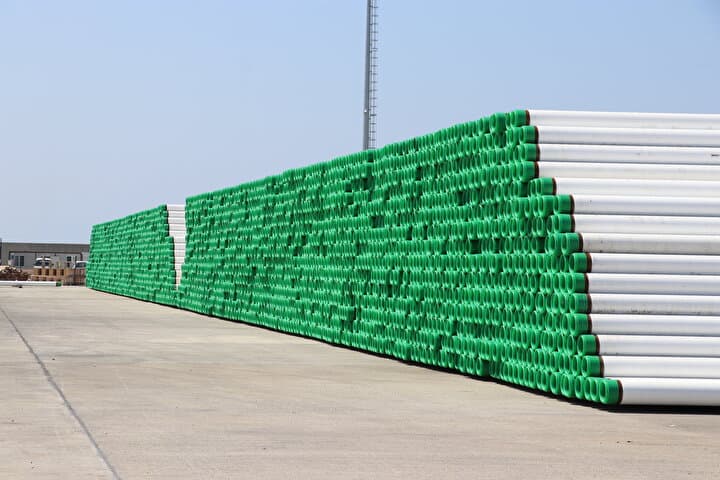
Classical Techniques in Pipeline Projects: Fundamental Methods and Applications
A comprehensive guide to classical methods used in pipeline projects.
Pipeline systems play a vital role in transporting water, gas, oil, and industrial fluids. Although modern technologies have taken center stage, classical techniques remain the foundation of many infrastructure projects. This article explores traditional methods and their practical applications.
1. Open Trench Method
The open trench method is one of the oldest and most common pipeline installation techniques. The trench is excavated, pipes are laid, and the soil is backfilled.
- ✅ Advantages: Simple, well-known, and easy to inspect.
- ⚠️ Disadvantages: Costly and time-consuming in large areas.
2. Welding and Flanged Connections
Welding ensures durable, leak-proof joints, while flanged connections offer easy maintenance and replacement.
3. Concrete Manholes and Sleeves
Common in water and sewer systems, concrete manholes provide safe maintenance and inspection points.
4. Grout and Backfill Techniques
Classical backfill methods stabilize the pipeline and enhance durability using sand, gravel, or grout materials.
Classical methods, when applied with expertise, continue to provide reliable and long-lasting pipeline solutions.